
Quick summary
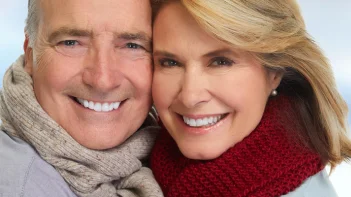
Your profile photograph is the first filter — before a word is read, an impression has already formed. A clear, recent, smiling image will outperform a technically superior but stiff photograph every time. Pair it with specific personal details rather than generic interests, and you will attract people responding to the real you.
A dating profile has two jobs: attract the right people, and quietly discourage the wrong ones. The challenge is doing both without making your profile sound like a job specification or a list of warnings.
Here is a practical guide to what belongs in a senior dating profile — and what is better left out.
What to include
A clear, recent photo. This is non-negotiable. Profiles without photos receive a fraction of the attention of those with them, and profiles with outdated photos erode trust the moment you meet someone in person. Use a photo taken in the last year or two that clearly shows your face and, ideally, shows you smiling.
Something specific about your life right now. Not your career history, not where you grew up — what your life looks like today. Are you recently retired? Do you have a routine you enjoy? Are you closer to your grandchildren than you ever expected to be? A snapshot of your present life tells someone far more about compatibility than a biography.
A personality clue or two. The things that make you easy (or entertaining) to spend time with. Are you naturally quite quiet but deeply loyal? Do you have a dry sense of humour that not everyone gets? Are you someone who always has a project on the go? These things cannot be inferred from a list of hobbies, but they are exactly what another person wants to know.
What you are looking for. Even a single sentence helps: “I am hoping to meet someone to enjoy unhurried time with — good walks, good conversation, no pressure.” It signals your intentions honestly and helps the right people self-select.
What to leave out
A checklist of requirements. Profiles that read as a list of conditions for contact (“must be non-smoker, own your own home, have no baggage”) come across as demanding rather than discerning. By all means know what you want — but the profile is not the place to enumerate it.
Lengthy explanations of your past. Your profile is not the place to process your divorce, your loss, or your years of being single. A brief, honest acknowledgement of where you are in life is fine and often genuinely touching. A detailed account puts too much weight on a first impression and can feel more like a therapy session than an introduction.
Negativity about dating or technology. Phrases like “I can’t believe I am doing this” or “I am not really a fan of all this online stuff” signal reluctance rather than readiness. Someone considering reaching out will wonder if they are wasting their time. If you feel hesitant, that is entirely normal — but keep it off the page.
Anything that is not true. It sounds obvious, but it is worth saying. Saying you are five years younger than you are, using photos from a decade ago, or describing a lifestyle you aspire to rather than the one you actually live — all of these create problems the moment you meet someone in person. Honesty from the start saves everyone time and builds the right kind of trust.
The photo is the first filter. Before anyone reads a word you have written, they have already formed an impression from your image. A clear, recent, natural photograph — ideally with a smile — will always outperform a technically superior photo in which you look distant or serious.
The one thing most profiles are missing
The single element that is absent from more senior dating profiles than any other is enthusiasm. Not forced cheerfulness — genuine warmth and a sense that you are looking forward to this. Dating at this stage of life, done right, is genuinely exciting. The people you meet will be interesting, experienced, and clear about what they want. Your profile should reflect that you know that.